Working at height is a daily reality across industries such as construction, facilities management, utilities, tree surgery, and rope access operations. Whether teams are maintaining rooftops, accessing façades, or working on industrial structures, the risks associated with falls are significant. This is why fall protection systems are a legal, operational, and moral necessity.
At Abseiling Services, we provide expert rope access solutions alongside professional fall protection installation and fall protection inspection services throughout Glasgow, Edinburgh, and across Scotland. In this guide, we break down the main types of fall protection systems, how they work, and how to choose the right solution for your site.
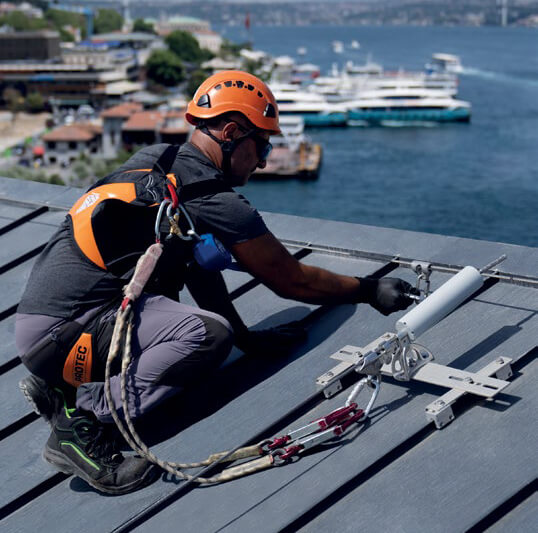
Why Understanding Fall Protection Systems Matters?
Falls from height remain one of the leading causes of fatal and serious workplace injuries in the UK. According to the HSE, many incidents occur not because equipment is missing, but because the wrong system is used, systems are poorly installed, or inspections are overlooked.
Selecting the correct fall protection system ensures:
- Reduced risk of injury or fatality
- Compliance with UK Working at Height Regulations
- Protection against legal and financial liability
- Safer access for maintenance and inspection tasks
Understanding the different systems available is the first step toward creating a safer work environment.
Fall Arrest Systems
A fall arrest system is designed to stop a fall after it has already occurred. These systems do not prevent a fall but minimise injury by safely arresting the worker mid-fall.
Key components include:
- Anchor points installation
- Energy absorbers
- Lanyards
- Working at heights harness
- Vertical or horizontal lifeline safety systems
A properly installed fall and arrest system must be engineered to withstand dynamic loads and must always be used with a certified fall protection harness.
Because fall arrest systems rely heavily on correct design and load ratings, professional fall protection installation is critical. Incorrect anchor positioning or insufficient load capacity can dramatically increase injury risk.
Fall Restraint Systems
A fall restraint system prevents workers from reaching a fall hazard altogether. Rather than stopping a fall, it restricts movement so the edge or danger zone cannot be accessed.
These systems are widely regarded as one of the safest forms of fall protection, especially for:
- Flat roofs
- Plant room access
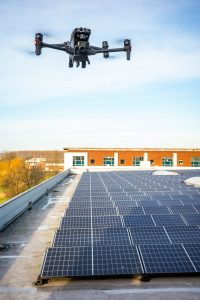
- Solar panel maintenance
- Routine rooftop inspections
Restraint systems typically include:
- Fixed anchor points
- Short lanyards
- Restraint-rated harnesses
- Roof safety equipment
Because no fall occurs, the risk of injury is significantly reduced, and rescue planning is simpler. Many modern roof safety access systems are designed around restraint principles.
Lifeline Safety Systems
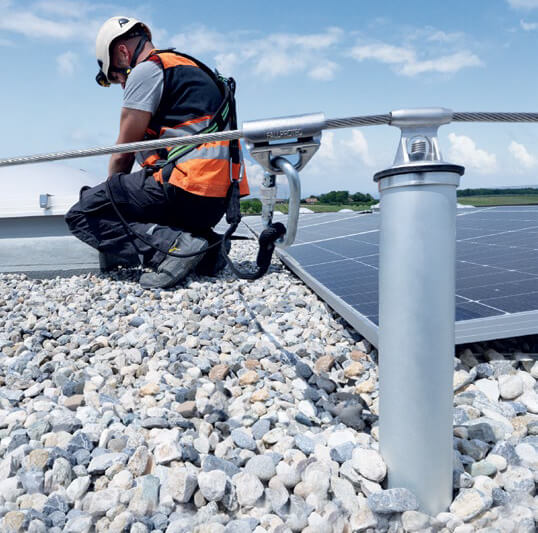
Lifeline safety systems allow users to move safely along a defined path while remaining continuously attached.
Types of lifeline systems include:
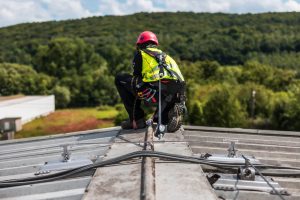
- Horizontal lifelines (flexible or rigid)
- Vertical lifelines for ladders and access routes
These systems are commonly used on:
- Industrial rooftops
- Warehouses
- Large commercial buildings
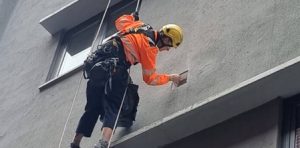
- Façade access routes
Lifelines must be professionally tensioned, securely fixed, and regularly tested. Ongoing fall protection inspection ensures tension, fixings, and connectors remain compliant.
Anchor Point Systems
Anchor points form the backbone of many fall protection setups. They are fixed points designed to support restraint, arrest, or rope access activities.
Anchor systems can include:
- Single-user anchors (Type A)
- Cable systems (Type C)
- Rigid rail systems (Type D)
Professional roof anchor point installation ensures anchors are positioned correctly for safe loading angles and rescue access. Reputable roof anchor installation companies also perform load testing and certification to confirm compliance.
Annual testing and fall arrest inspection of anchor points is mandatory under UK standards.
Collective Fall Protection Systems
Collective systems protect multiple users simultaneously and do not require PPE to be worn. These include:
- Guardrails
- Parapet protection
- Walkways and access platforms
These systems provide excellent roof safety, especially for buildings with frequent access needs. While installation costs may be higher initially, collective protection significantly reduces ongoing training and PPE requirements.
Personal Fall Protection Equipment (PPE)
Personal equipment forms an essential part of many fall protection strategies.
This includes:
- Fall protection harnesses
- Lanyards and connectors
- Shock absorbers
- Helmets and accessories
PPE must be correctly selected, fitted, and maintained. Regular inspection of harnesses ensures stitching, buckles, and materials remain safe and functional. PPE inspections should be logged and carried out by competent personnel.
The Importance of Installation and Inspection
Even the best equipment becomes dangerous if installed incorrectly or left uninspected.
Professional fall protection services ensure:
- Systems are designed for the building structure
- Anchors are tested for real-world loads
- Lifelines are tensioned correctly
- Fixings are suitable for concrete, steel, stone, or membranes
- Full compliance documentation is provided
Routine fall protection inspection identifies wear, corrosion, loose fixings, and system fatigue before failure occurs. Many businesses searching for fall protection installers near me overlook inspection, yet it’s just as critical as installation.
Which Fall Protection System Is Right for You?
The right system depends on:
- Building type and age
- Frequency of access
- Nature of work performed
- Roof layout and edges
- Rescue requirements
- Legal obligations
A professional site assessment ensures the correct balance between safety, practicality, and cost.
At Abseiling Services, we design systems that integrate seamlessly with rope access, façade maintenance, industrial work, and rescue operations.
Why Choose Abseiling Services?
Serving Glasgow, Edinburgh, and all of Scotland, Abseiling Services offers:
- Certified fall protection installation
- Comprehensive fall protection inspection
- Anchor and lifeline testing
- Rope access and rescue support
- Tree surgery height safety solutions
- Industry-compliant documentation
Our technicians combine rope access expertise with advanced height safety knowledge, delivering solutions that work in real-world environments.

Final Thoughts
Understanding the different types of fall protection systems is essential for creating safer workplaces. From restraint and arrest systems to lifelines and anchor points, each solution plays a vital role in reducing risk at height.
Choosing the right system, and ensuring it’s professionally installed and regularly inspected, protects lives, operations, and reputations.
If you need expert advice, inspection, or installation, Abseiling Services is here to help. Contact us today to discuss your fall protection requirements anywhere in Scotland.